Winter Car Care Tips (South African Edition)
Keep Your Vehicle Running Smoothly This Winter
Winter in South Africa may not bring heavy snowfall like Europe or North America, but it still presents unique challenges for motorists. From icy mornings in Gauteng and the Free State to rainy conditions in the Western Cape and frosty mountain passes in the Eastern Cape, colder temperatures can take a surprising toll on your vehicle.
Many breakdowns that occur during winter are preventable with a little preparation. Whether you drive a diesel bakkie, a family SUV, a delivery vehicle or manage an entire fleet, taking care of your vehicle before the coldest mornings arrive can save you time, money and frustration.
Here's everything you need to know to keep your vehicle reliable throughout the South African winter.
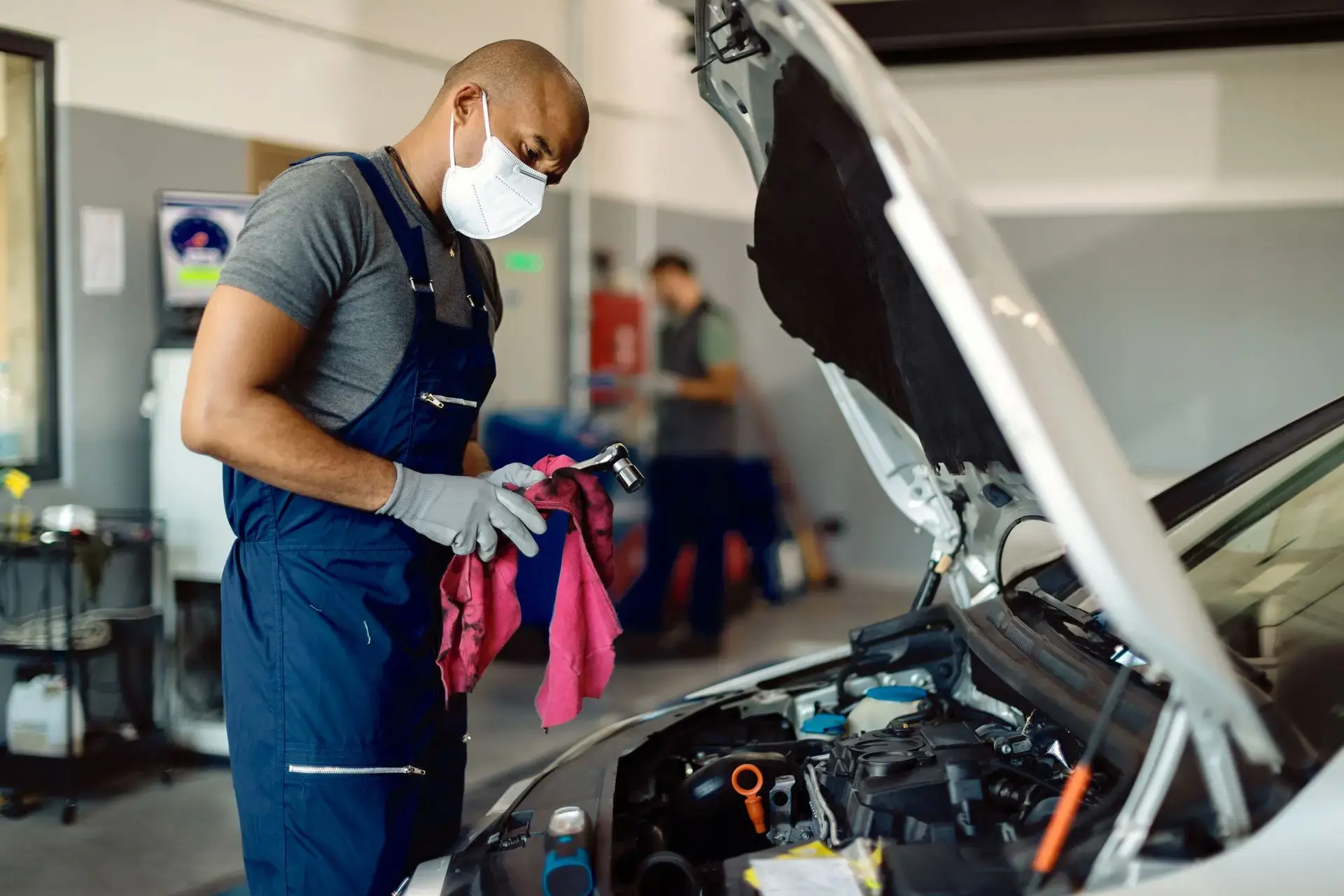
Why Winter Affects Your Vehicle
Cold weather changes how your vehicle performs. Fluids become thicker, batteries lose efficiency, tyres lose pressure and engines work harder during cold starts.
Although most parts of South Africa enjoy relatively mild winters, temperatures regularly drop below freezing overnight in provinces such as:
- Gauteng
- Free State
- Mpumalanga Highveld
- Northern Cape
- Eastern Cape mountain regions
- KwaZulu-Natal Midlands
Even coastal areas experience increased moisture, heavy rainfall and reduced visibility during winter.
A little preventative maintenance goes a long way toward avoiding unexpected repairs.
1. Check Your Battery Before It Lets You Down
Nothing ruins a cold morning faster than a vehicle that refuses to start.
Your battery has to work harder in colder temperatures because chemical reactions inside the battery slow down. At the same time, the engine requires more power to turn over.
Signs your battery may be struggling include:
- Slow engine cranking
- Dim headlights
- Dashboard warning lights
- Electrical accessories working poorly
- Needing multiple attempts to start
If your battery is more than three years old, it's worth having it tested before winter reaches its coldest point.
Also inspect the battery terminals for corrosion and ensure the connections are tight.
2. Give Your Diesel Engine Extra Attention
Diesel engines are generally very reliable, but they require a little extra care during winter.
Cold temperatures can make diesel fuel thicker, making it harder to ignite during startup. This is particularly noticeable during frosty mornings in inland regions.
To improve cold-weather starting:
- Keep your fuel tank above half full.
- Replace dirty fuel filters.
- Ensure glow plugs are working correctly.
- Service your diesel injection system according to schedule.
- Use quality diesel from reputable filling stations.
Poor fuel delivery places additional strain on injectors and the fuel system, reducing efficiency and increasing wear.
3. Inspect Your Turbocharger
Turbochargers rely on clean oil and proper lubrication.
During cold starts, engine oil takes slightly longer to circulate through the turbocharger. Revving the engine immediately after startup can accelerate wear on bearings and seals.
Instead:
- Allow the engine to idle briefly before driving.
- Avoid hard acceleration until the engine reaches operating temperature.
- Always use the manufacturer-recommended oil grade.
- Keep oil service intervals up to date.
If you notice:
- Excessive black or blue smoke
- Loss of power
- Whining noises
- Increased oil consumption
it's worth having your turbocharger inspected before a minor issue becomes a costly repair.
4. Monitor Your Cooling System
Many people think cooling systems only matter in summer—but winter is just as important.
Engine coolant (antifreeze) doesn't simply prevent overheating.
It also:
- Prevents freezing
- Protects against corrosion
- Lubricates the water pump
- Helps maintain stable engine temperatures
Low coolant or old coolant can lead to overheating even on cold days because the engine still produces significant heat.
Check:
- Coolant level
- Hoses
- Radiator condition
- Hose clamps
- Water pump leaks
Never remove the radiator cap while the engine is hot.
5. Check Tyre Pressure Regularly
Did you know tyre pressure drops as temperatures fall?
Even a small reduction in air temperature can lower tyre pressure enough to affect:
- Fuel economy
- Handling
- Braking distance
- Tyre wear
Underinflated tyres also increase rolling resistance, making your engine work harder.
Check tyre pressures at least once a month using the manufacturer's recommended settings—not the maximum pressure shown on the tyre sidewall.
Don't forget to inspect:
- Spare tyre
- Tyre tread depth
- Sidewall damage
- Uneven wear
6. Make Sure Your Brakes Are Winter Ready
Winter mornings often mean:
- Dew
- Fog
- Wet roads
- Reduced visibility
These conditions increase stopping distances.
If your brakes make squealing or grinding noises, vibrate when braking or feel less responsive than usual, don't ignore the warning signs.
Have the following inspected:
- Brake pads
- Brake discs
- Brake fluid
- Brake hoses
Good brakes are one of your best safety features during winter driving.
7. Replace Worn Wiper Blades
Many South Africans associate winter with dry weather, but the Western Cape experiences its rainy season during winter.
Old wiper blades can smear rather than clear your windscreen, making driving dangerous during heavy rain or misty mornings.
Replace blades if they:
- Leave streaks
- Skip across the glass
- Split or crack
- Make excessive noise
Also ensure your windscreen washer bottle is topped up with suitable washer fluid.
8. Keep Your Lights Clean and Working
Winter brings shorter daylight hours and more early morning driving in darkness.
Check that all lights are functioning correctly:
- Headlights
- Brake lights
- Indicators
- Reverse lights
- Fog lights (if fitted)
Clean lenses regularly, especially after driving on muddy or dusty roads.
Proper visibility helps other motorists see you earlier.
9. Change Your Oil on Time
Engine oil thickens when temperatures drop.
Old or contaminated oil flows more slowly, increasing engine wear during cold starts.
Using the correct oil specification recommended by your vehicle manufacturer is especially important for:
- Turbocharged engines
- Diesel engines
- High-mileage vehicles
Regular oil changes protect:
- Turbochargers
- Bearings
- Camshafts
- Pistons
- Diesel injection components
Skipping oil services often leads to expensive repairs later.
10. Listen to Your Vehicle
Winter often highlights problems that were already beginning to develop.
Pay attention to:
- New noises
- Hard starting
- Reduced power
- Smoke from the exhaust
- Warning lights
- Unusual vibrations
Small problems are usually far cheaper to fix than major failures.
If something feels different, have it checked sooner rather than later.
Winter Driving Tips for South African Roads
Vehicle maintenance is only part of winter safety.
When driving during colder months:
- Increase your following distance.
- Drive slower in fog or heavy rain.
- Switch your headlights on during poor visibility.
- Avoid sudden braking on wet roads.
- Warm the engine gently—avoid aggressive acceleration immediately after starting.
- Keep an emergency kit in your vehicle, including a torch, jumper cables, reflective triangle and basic first-aid supplies.
If you're travelling through mountain passes or rural areas, check weather forecasts before setting off, as frost and reduced visibility can make driving conditions more challenging.
A Little Maintenance Goes a Long Way
Winter doesn't have to mean unexpected breakdowns.
Most seasonal vehicle problems can be avoided with simple preventative maintenance and routine inspections. Taking the time to check your battery, tyres, cooling system, turbocharger and diesel fuel system can help your vehicle stay dependable throughout the colder months.
Whether you're commuting to work, transporting goods or heading out on a family road trip, a well-maintained vehicle is safer, more efficient and less likely to leave you stranded on a chilly South African morning.
At Turbo Diesel Components, we understand the importance of reliable performance. From turbocharger components to diesel injection parts and expert product knowledge, we're here to help you keep your vehicle operating at its best—no matter what winter throws your way.
Our Final Thoughts
South African winters may be shorter than those experienced elsewhere in the world, but they still demand a little extra care from both drivers and their vehicles. Investing a small amount of time in preventative maintenance today can help you avoid costly repairs tomorrow, improve fuel efficiency and keep you safe on the road.
This winter, don't wait for a warning light or a breakdown. Give your vehicle the attention it deserves, and enjoy every journey with confidence, whatever the temperature.